
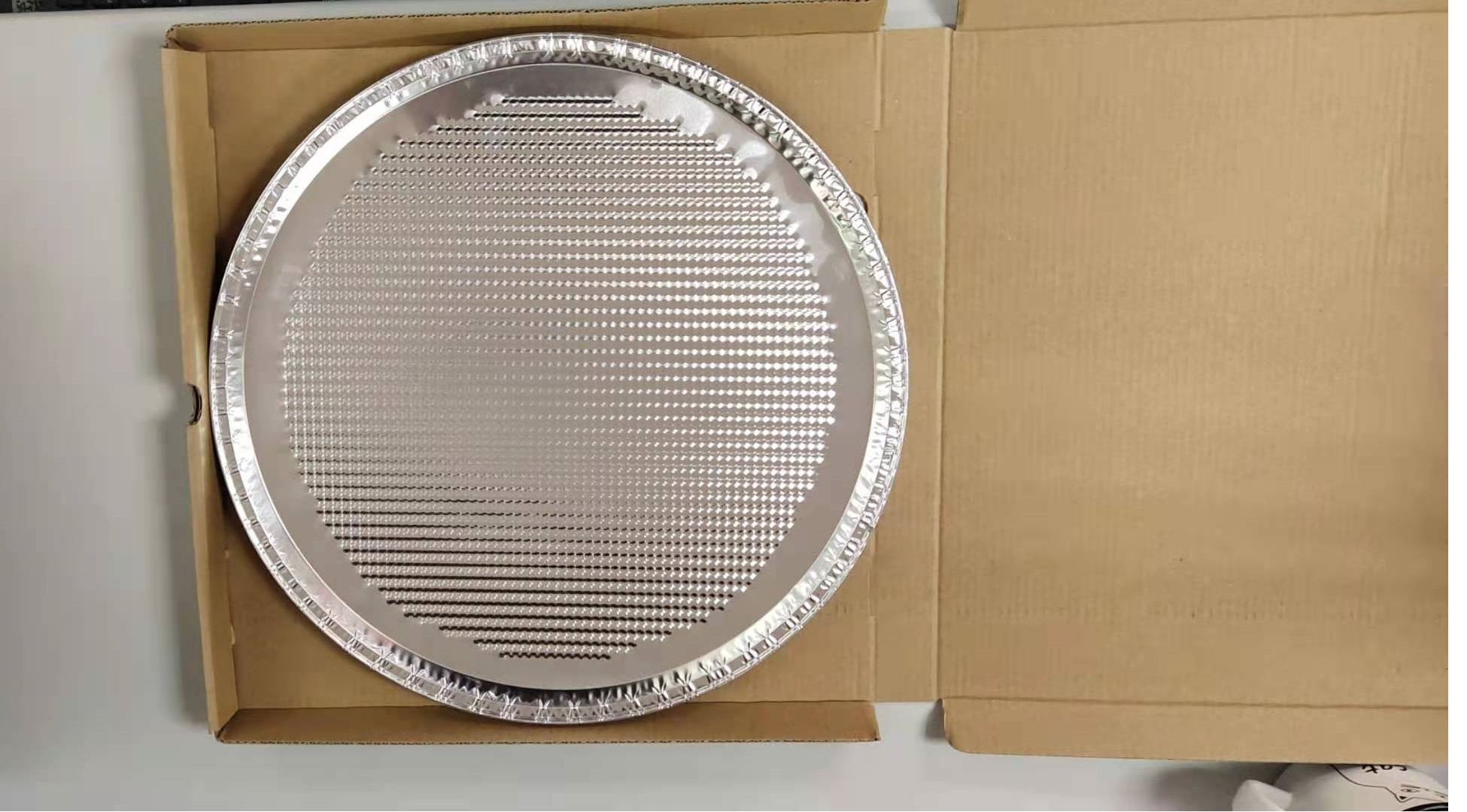
The Perfect Delivery: The Critical Role of the Aluminium Plate and the Pizza Box
In the competitive world of pizza delivery, customer satisfaction hangs on one variable: the condition of the pizza when it arrives. While the ingredients get all the glory, the hardware behind the scenes—specifically the aluminium plate used in preparation and the pizza box used for transport—are the unsung heroes of the industry.
Understanding how these two distinct items interact is crucial for pizzeria owners and packaging distributors aiming to maintain crust integrity and thermal retention.
1. The Aluminium Plate: The Foundation of a Crispy Crust
Before a pizza ever sees the inside of a cardboard box, it likely spends its most critical moments on an aluminium plate or screen. In professional kitchens, aluminium is the material of choice for several SEO-friendly reasons:
- Thermal Conductivity: Aluminium heats up rapidly and distributes heat evenly. This ensures that the dough cooks uniformly without burning the bottom before the toppings are done.
- Durability and Hygiene: High-grade commercial aluminium plates are non-corrosive and easy to sanitize, meeting strict food safety standards.
- Types of Plates:
- Perforated Disks (Screens): Allow airflow for a crispier crust.
- Solid Pans: Used for deep-dish or pan pizzas where oil retention is key.
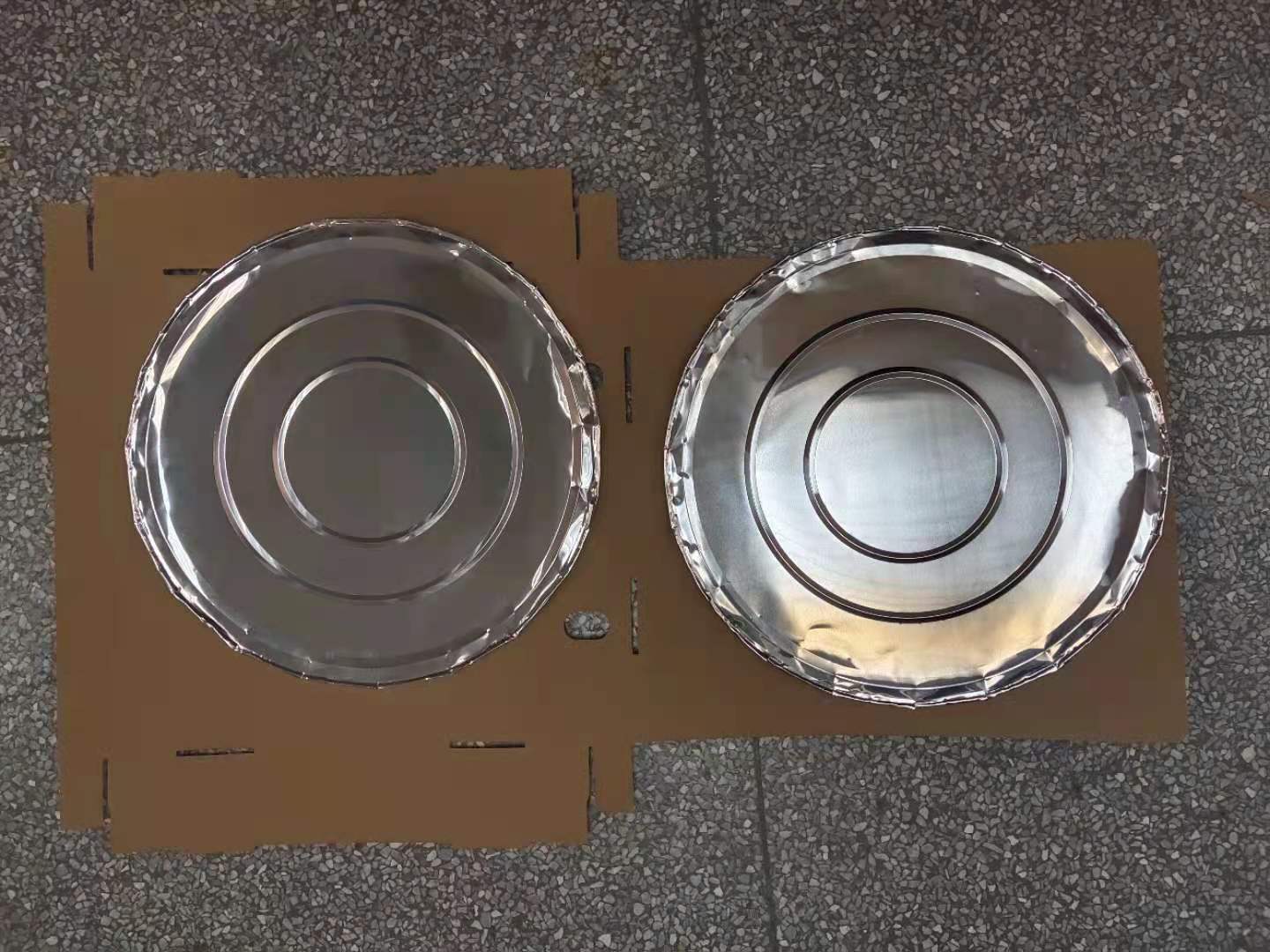
The aluminium plate ensures rapid, even heat transfer during the baking process.
2. The Transition: From Metal to Cardboard
The most dangerous moment for a pizza is the transition from the 500°F (260°C) oven to the ambient temperature. If a pizza is transferred directly from a hot aluminium plate to a closed box too quickly, “sweating” occurs.
The Steam Problem: A hot pizza releases steam. If sealed instantly in a box, that moisture is trapped, turning a crispy crust into a soggy disappointment. Many operators use the aluminium plate as a resting surface for 30-60 seconds, allowing the initial burst of steam to escape before boxing.
3. The Pizza Box: Engineering for Logistics
Once the pizza leaves the aluminium surface, the pizza box takes over. Modern pizza boxes are not just cardboard; they are engineered thermal containers.
Key Features of High-Quality Pizza Boxes:
- Corrugated Strength: The “fluting” inside the cardboard provides insulation (keeping heat in) and structural integrity (preventing the box from crushing the pizza during stacking).
- Ventilation Systems: Strategic holes allow excess moisture to escape without losing too much heat. This balances the work done by the aluminium plate, preserving the texture.
- Grease Barriers: High-quality liners prevent oils from soaking through the bottom, which keeps the box rigid and the customer’s table clean.
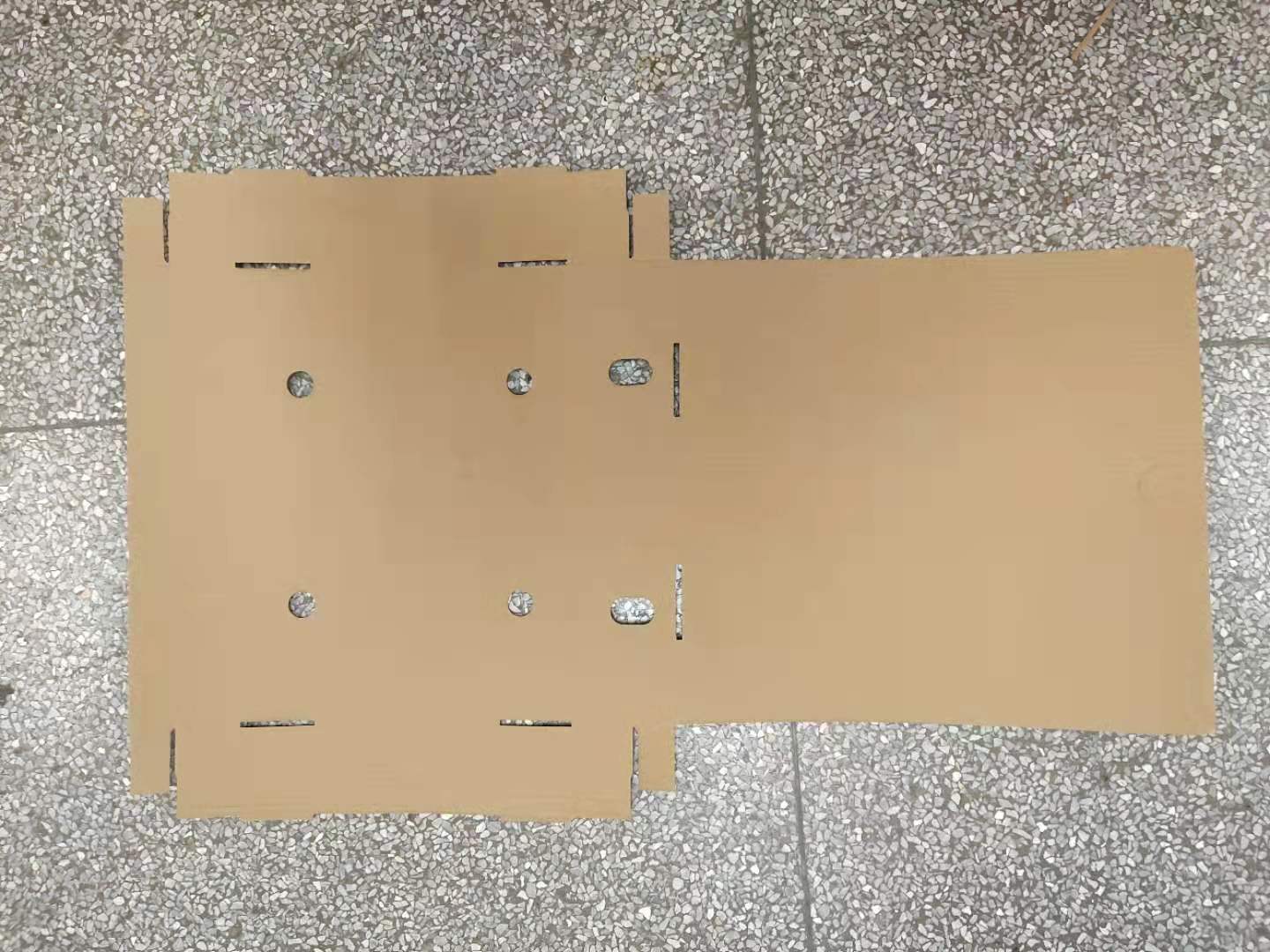
Corrugated pizza boxes provide the insulation needed for the last mile of delivery.
Conclusion: The Perfect Pair
For any pizza business, investing in quality hardware is an investment in brand reputation. The aluminium plate ensures the product is cooked to perfection, and the pizza box ensures it arrives that way.
Whether you are a restaurant owner sourcing kitchen supplies or a packaging distributor, understanding the synergy between these two items is the key to delivering the perfect slice.