
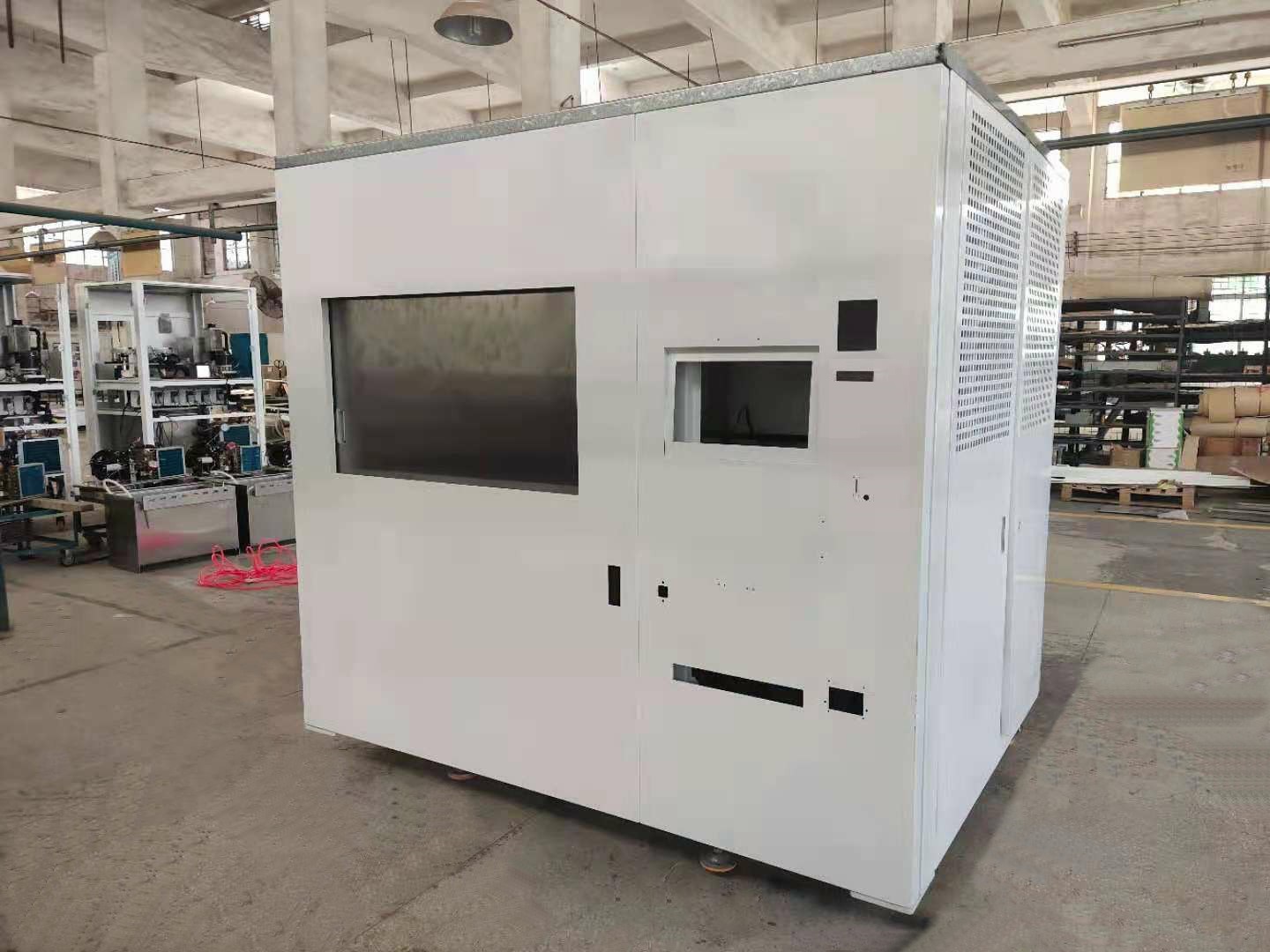
From Factory Floor to Your Door: The Global Journey of a Pizza Vending Machine
The demand for 24/7 contactless hot food is skyrocketing, and the automated pizza vending machine is leading the charge. But before that first piping hot slice is served in a busy mall or university lobby, the machine itself embarks on an incredible logistical journey. This is the story of how top-tier engineering travels across oceans to revolutionize local food service.
Stage 1: Precision Engineering at the Factory
The journey begins in a state-of-the-art manufacturing facility. Here, raw stainless steel and advanced robotics converge to create a sophisticated piece of culinary technology. It’s not just a vending machine; it is a fully automated mini-pizzeria.
Quality control is paramount. Before a machine is even considered for shipping, it undergoes rigorous testing. Technicians ensure the refrigerated ingredient compartments maintain precise temperatures, the robotic arm handles the dough seamlessly, and the high-speed convection oven cooks to perfection every single time.

Figure 1: Precision assembly and testing of the automated pizza machine unit before final approval.
Stage 2: Specialized Packaging for Ocean Freight
Once approved, the machine faces its biggest challenge: surviving weeks at sea. Sending delicate electronics and heavy machinery via ocean freight requires specialized industrial packaging. A standard cardboard box won’t cut it.
- Moisture Protection: The entire unit is wrapped in heavy-duty vapor barrier film to protect against saltwater air and humidity. Industrial desiccants (silica gel bags) are placed inside to absorb any trapped moisture.
- Shock Absorption: The machine is bolted onto a shock-absorbing pallet base to prevent movement inside the container during rough seas.
- The Wooden Crate: Finally, a custom-built, ISPM 15 compliant export wooden crate is constructed around the unit. This provides rugged external protection against impacts during loading and unloading.
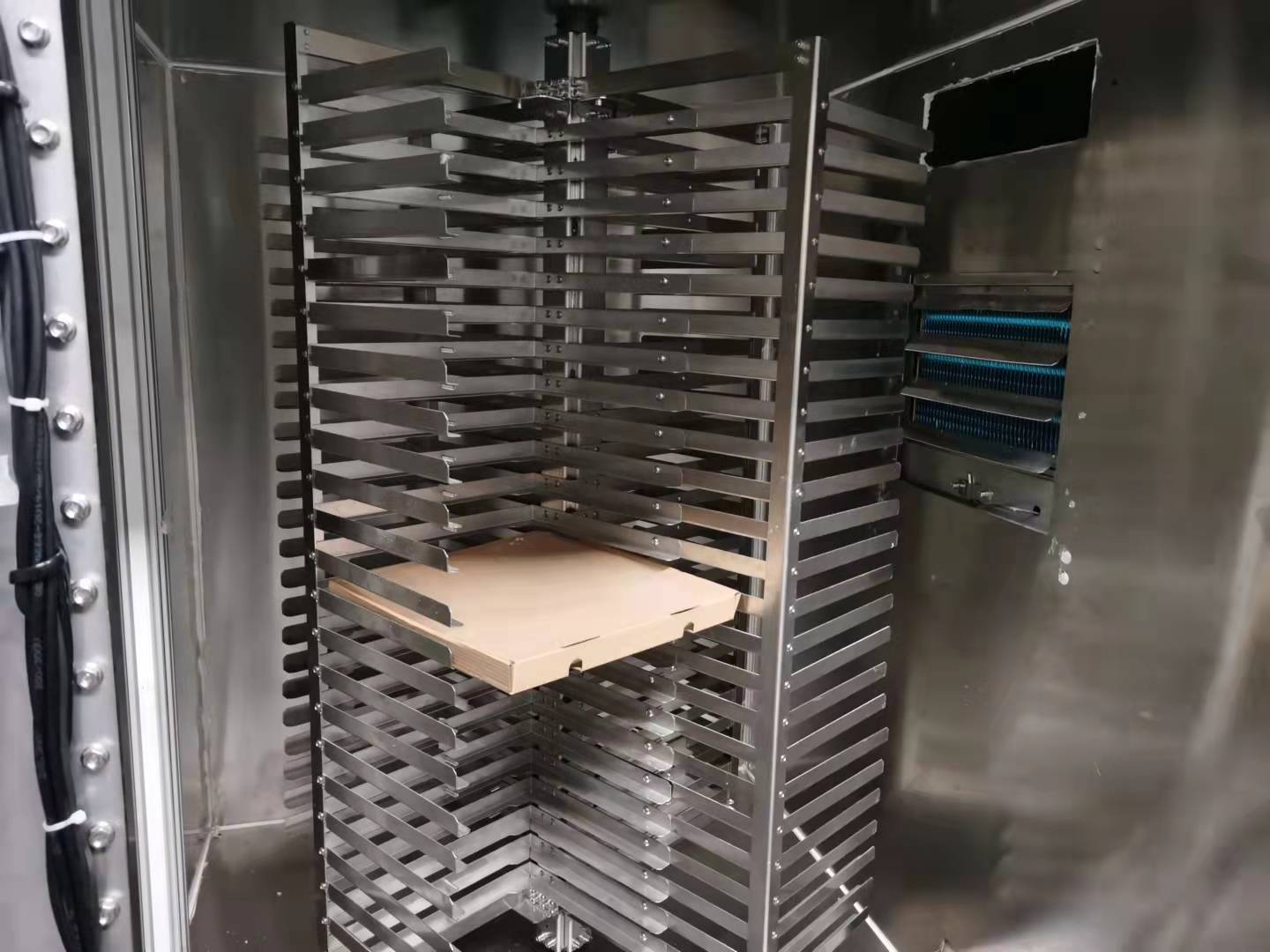
Figure 2: The machine is securely crated and wrapped to withstand the rigors of international ocean transport.
Stage 3: The Transoceanic Voyage
The crated machines are loaded into standard 20ft or 40ft shipping containers. This is where logistics expertise becomes crucial. The containers are sealed and trucked to the nearest major sea port.
At the port, massive gantry cranes stack the containers onto cargo vessels. For the next few weeks, the pizza machine shipment navigates global shipping lanes. Throughout this period, the shipment is tracked, ensuring that customs documentation is being processed in parallel so that the arrival at the destination port is smooth.
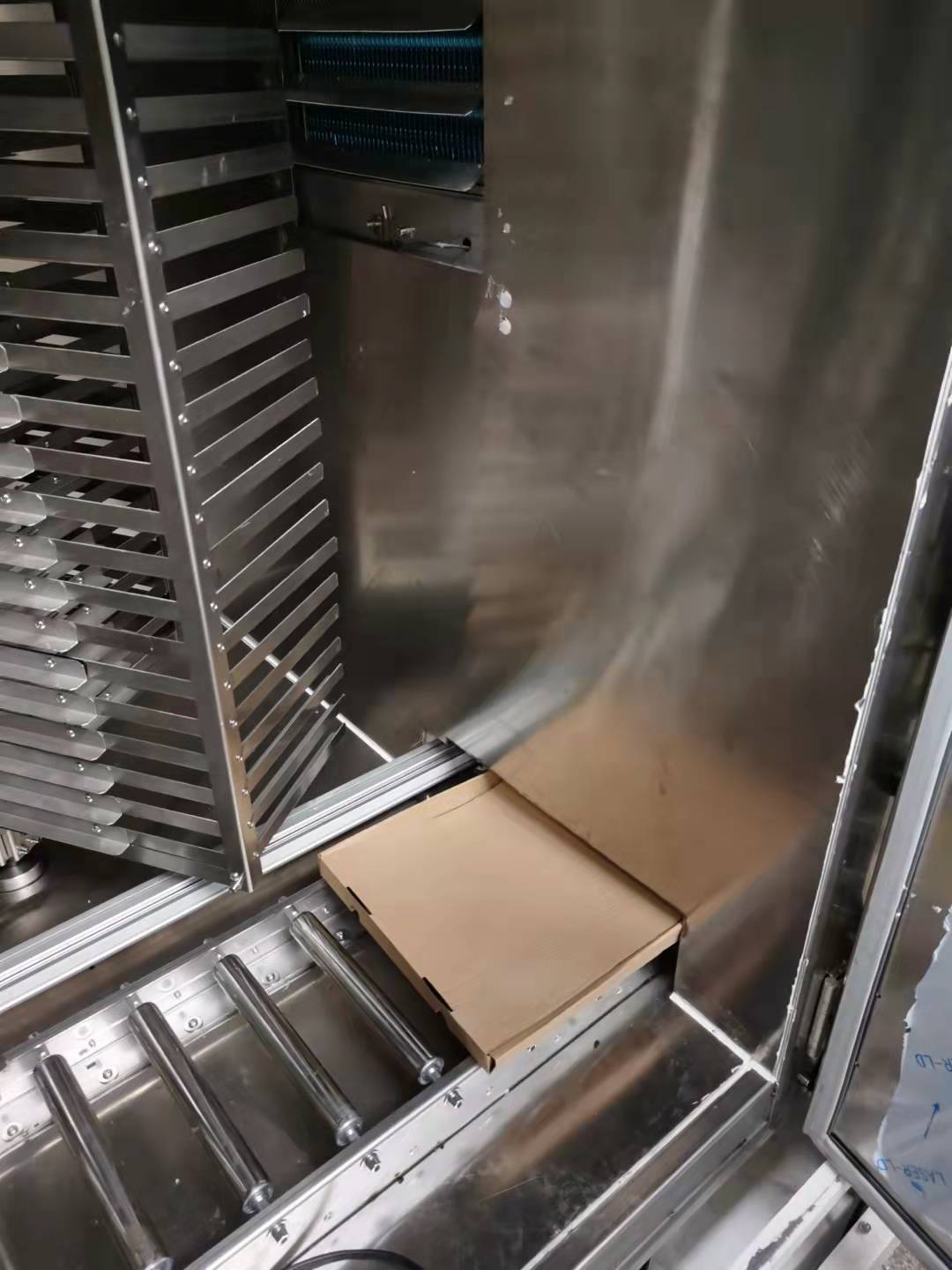
Figure 3: The long journey begins as the containerized machines are loaded for ocean transit.
Stage 4: Arrival, “Last Mile,” and Setup
Upon arrival at the destination country’s port, the container clears customs—a process streamlined by accurate commercial invoices and packing lists provided by the factory. The container is then de-vanned, and the individual crates are loaded onto domestic freight trucks for the “last mile” delivery.
Finally, the crate arrives at the customer’s location—be it a hotel, an office building, or a retail center. The robust packaging is removed to reveal the pristine machine inside. Once plugged into a power source and stocked with fresh ingredients, the unit is ready for its final calibration. The journey from a factory floor halfway across the world ends with the first customer enjoying a fresh-baked pizza.
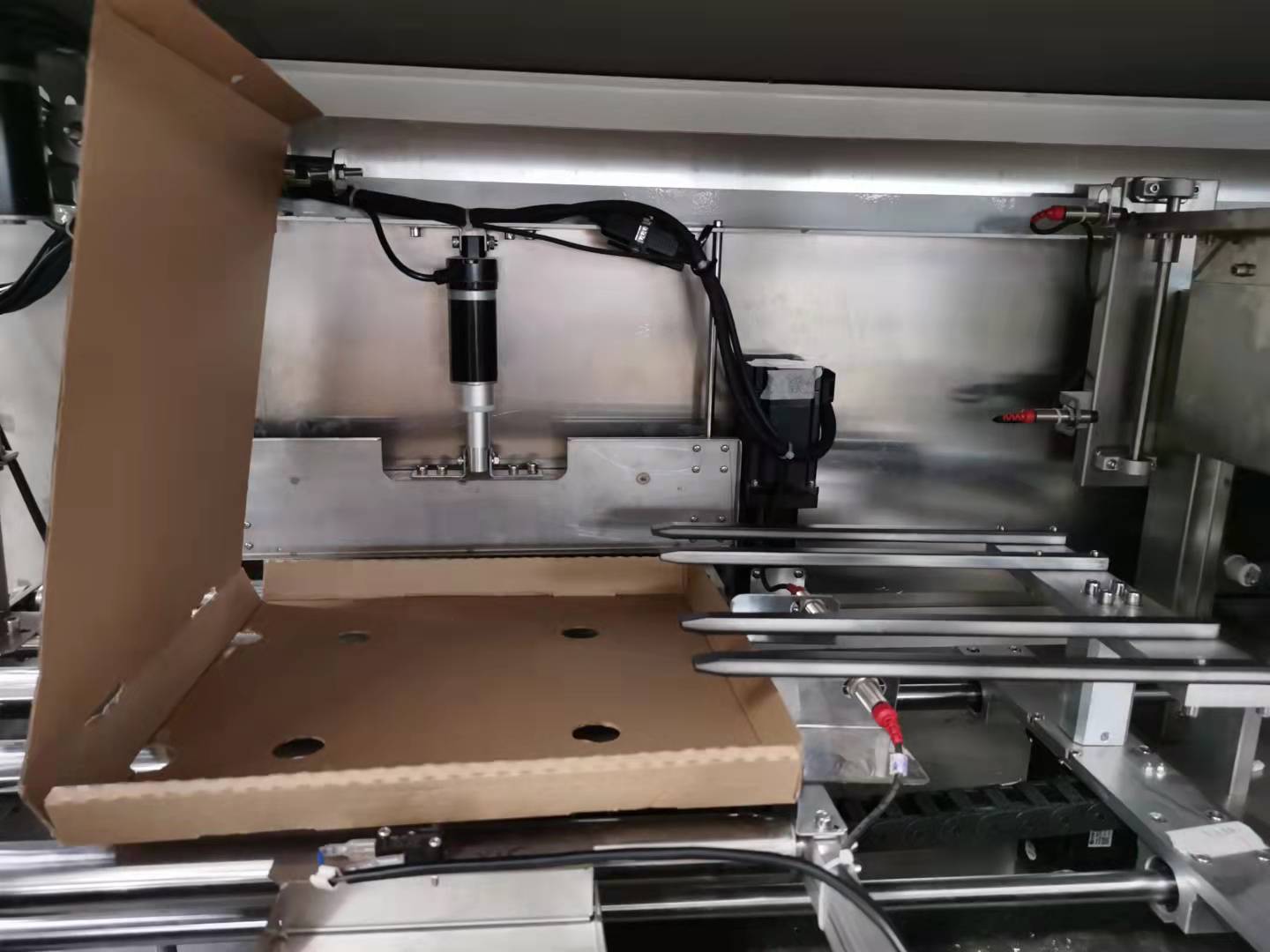
Figure 4: The final destination. The machine is unboxed, installed, and ready to serve customers 24/7.
Conclusion
The process of importing a pizza vending machine is a complex ballet of engineering and international logistics. By understanding this journey, buyers can appreciate the robust quality of the hardware and the importance of professional shipping standards, ensuring their investment arrives safely and ready to generate revenue.